
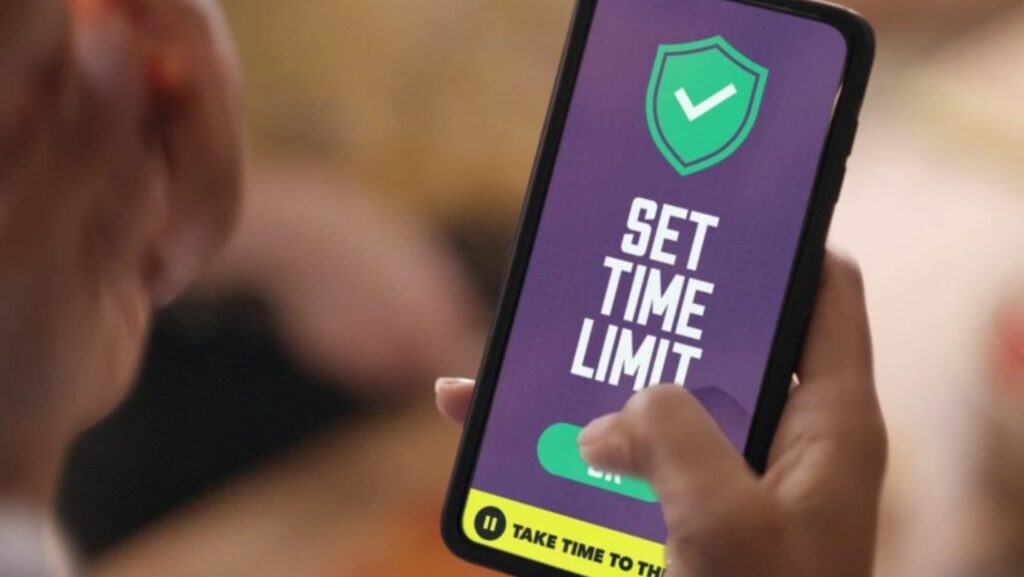
The rise of mobile casino apps changed the online gambling sector, making this form of entertainment more accessible to millions of players. Instead of driving to the nearest land-based venue or turning on the PC to access the desktop version, it’s enough for users to unlock their smartphones and launch the chosen application. This technology has brought an unprecedented level of convenience, but this flexibility also holds risks. Gambling-related problems are the primary industry’s challenge. Regulatory authorities aim to minimize the harmful impact of mobile play by creating safer gaming requirements. Many users wonder whether smartphone-based apps really contribute to responsible gambling, or whether they actually escalate the scope of the problem.
Responsible Gambling Tools Built into Modern Casino Apps
Most regulated markets now have a set of requirements for licensed online casinos operating in their jurisdictions. Enhanced consumer protection and implementation of safer gaming mechanisms are among the main rules for obtaining certifications. As the industry continues to advance, gambling companies have a technological advantage that helps them maintain healthy habits among customers.
Easy Access to Limits
Everyone who has engaged in gambling before knows the importance of bankroll management. Experienced casino players highlight the need to set limitations before the session and always stick to the sum that they can theoretically lose. However, not all users are able to control their expenses in an environment with unlimited gaming libraries and thrilling bonus ads. To assist with this issue, mobile casino apps offer built-in limitation tools. Users can set the maximum deposit or loss amount that they can afford to spend on gambling. When they reach the limit, the possibility of depositing is blocked, so they can only take advantage of the demo mode.
Self-Exclusion and Cooling-Off Tools
Sometimes, users are immersed in the gambling process and are unable to stop. In this case, setting budget limits is not enough, as a player can simply find another casino and deposit again. In this case, cooling-off periods come in handy. Users can request the administration to temporarily freeze their profiles. They can take this time to reconsider their strategies and master bankroll management techniques. In more severe instances, users can join self-exclusion programs that ban them from all gambling-related apps. They can select the blocking term manually and take time to recover.
Real-Time Tracking and AI Risk Detection
One of the biggest advantages of app-based gambling is the ability to track behaviour in real time. Many casino applications offer customizable interfaces, where users can personalize their dashboards. When entering the 1xBet application, members will see their valid statistics, making it possible to evaluate whether their betting strategy is viable. As a rule, software shows the following details:
- Total deposits made in the mobile app
- Time spent playing casino games and slots
- Win/loss patterns and detailed statistics
- Game-specific activities
- Preferred games and payout rates

Some operators even send monthly “health check” summaries that encourage players to review and adjust habits. In many cases, operators use AI-powered mechanisms for round-the-clock monitoring. All users’ actions are assessed, and if the technology detects problem habits, it immediately alerts customers. Push notifications are now accessible in most mobile casinos, so users can receive messages with a brief evaluation.
Where Casino Apps Fail
Despite the advancements in the gambling sector and global accessibility of downloadable applications, this method of interaction is considered less secure, especially for users vulnerable to mental health problems. Take a look at the most common drawbacks of mobile gaming that responsible players should be aware of.
Constant Availability Escalates Risk
Unlike in desktop versions, where users need to stay in front of their PCs during the gambling session, mobile apps are accessible on the go. This means that players can take a smartphone out of their pocket and spin the reels or place a bet at any time. This 24/7 presence creates an engagement loop. Online casinos boost user excitement by delivering push notifications about the latest promotions and exclusive offers that are difficult to ignore. For many, these features act as triggers, eventually leading to harmful habits.
The Illusion of Control
The user-friendly nature of modern gambling applications offers intuitive, fast, and responsive interfaces. The dynamic environment and the possibility of near-instant experiences create a sense of control. Many players are confident that they manage their behaviors and always keep track of actions, while the situation can be completely different. Players are often unaware of how small, frequent bets accumulate into large losses. In this case, the use of responsible gambling tools built into the software is a way to gain more control.
Enhanced Reliance on Self-Control
Gambling operators integrate safer gaming features, but they rely on users’ responsibility and make them customizable. This means players can change their limits at any time and can only voluntarily enable cooling-off periods. Individuals at risk of problem gaming habits can lose control and set too high limitations, leading to the development of compulsive disorders. To avoid this, gambling operators should integrate stricter policies and initiate customer segmentation procedures. Detecting users who are the most vulnerable to gambling problems helps set appropriate restrictions to maintain a healthy approach to online casinos.