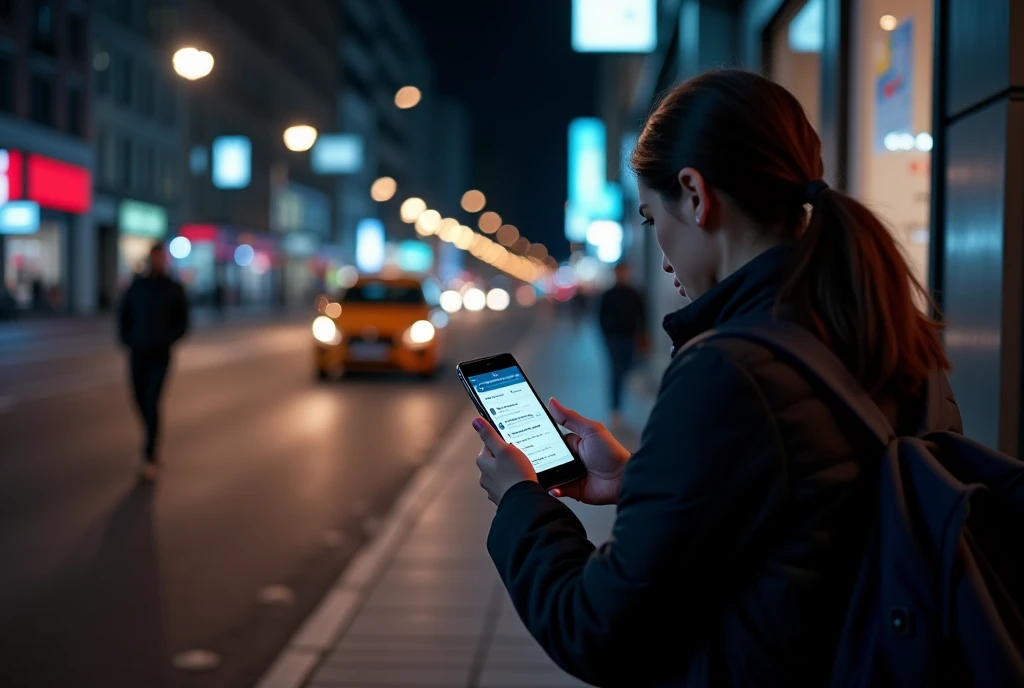
Urban services are no longer accessed through separate channels. A single device concentrates transport, payments, bookings, and search into one continuous flow where actions follow each other without pause. The shift is visible in behavior: users do not plan interactions in advance, they execute them immediately as situations unfold. A request is formed and closed within seconds because the interface removes intermediate steps and compresses decisions into a short sequence. In practice, the same pattern applies across categories. A person leaves work late, checks ride availability, and within the same short session opens a separate platform to arrange escort, using the same logic of quick filtering, selection, and confirmation. The action is direct, without comparison or delay, shaped by time constraints and habit of completing tasks instantly.
How devices convert everyday actions into demand
A smartphone records more than intent. It captures location, speed of movement, time of day, and repetition. These signals form a continuous stream that platforms analyze and translate into actionable demand. A user who orders food at 7 PM three times a week will see fewer steps over time, with preferred options moving to the top and delivery times adjusted based on past orders.
The system reacts within seconds. A cluster of users opening transport apps near office buildings triggers supply shifts. Drivers receive prompts, routes are recalculated, and pickup points change depending on traffic flow. This is not a delayed response. It happens while the user is still looking at the screen, which removes the gap between intention and execution.
Connectivity as the backbone of speed
Stable connectivity is not a feature, it is the condition that allows everything else to function. Without it, real-time coordination collapses. In cities with dense 5G coverage, latency drops to levels where updates feel instantaneous. A driver’s location refreshes smoothly, delivery routes adjust without delay, and pricing updates reflect current conditions rather than outdated estimates.
This infrastructure allows multiple systems to operate together. A ride request can sync with traffic data, while a delivery service adjusts timing based on congestion. The user sees one result, but several processes run in parallel. Each depends on uninterrupted data exchange, which explains why even short disruptions affect the entire experience.
Dynamic supply instead of fixed availability
Urban services no longer rely on static availability. Supply moves according to demand patterns that are visible in real time. When a concert ends or a stadium empties, thousands of devices send location signals at once. Platforms detect the spike and respond by increasing driver incentives, redirecting vehicles, and setting temporary pickup zones to reduce congestion.
This approach changes how services scale. Instead of maintaining excess capacity, platforms expand and contract supply as needed. It reduces idle time but creates pressure during peak moments. When demand exceeds the system’s ability to adjust, wait times increase and prices rise, revealing the limits of dynamic allocation.
Decision-making under time pressure
Access to multiple services does not always lead to better choices. In practice, users select quickly and move on. The interface plays a decisive role. The first visible option, the shortest delivery time, or the familiar brand often determines the outcome.
This behavior creates concentration. A small number of platforms capture most interactions because they reduce friction more effectively. The user is not comparing ten options. The user is completing a task in seconds. That shift favors speed over depth and consistency over variety.

Trust built through visible signals
Trust in on-demand services is tied to transparency. Users rely on concrete indicators that confirm reliability. A moving icon on a map, a countdown timer, and a clear price create confidence that the service will deliver as promised.
Several elements reinforce this trust:
- Verified profiles for both users and providers
- Real-time tracking with minimal delay
- Predictable pricing without hidden changes
- Immediate feedback after each interaction
- Clear rules for cancellations and refunds
When these elements fail, users leave without hesitation. Alternatives are always available, and switching costs are low.
The pressure behind constant availability
The system operates under continuous demand. Drivers, couriers, and service providers respond to tight time windows, often guided by algorithms that prioritize speed and efficiency. During peak periods, the strain becomes visible. Prices increase, availability drops, and delays appear.
This pressure forces platforms to refine their operations. Predictive models estimate demand before it occurs. Resource allocation adjusts automatically. Performance metrics track response times and completion rates in real time. The goal is to maintain consistency, even when conditions change rapidly.
What comes next in urban service access
The next stage reduces the need for direct input. Devices will act based on context, using patterns to anticipate needs. A routine commute may trigger a ride suggestion before the user opens an app. Regular orders may appear ready for confirmation at expected times.
Three trends are already shaping this shift:
- Proactive systems that act before explicit requests
- Integration across services that share data seamlessly
- Interfaces that present fewer but more relevant options
This direction moves the system closer to prediction than reaction. The city’s service layer becomes less visible, while its influence grows stronger.