The phrase consumer electronics electroother archives refers to collections of spare, odd, and hard-to-classify tech materials. The guide explains where to find these collections, how to use them, and how to preserve items. The text helps researchers, hobbyists, and archivists. The advice focuses on practical steps and clear checks. The guide uses plain terms and direct instructions.
Key Takeaways
- Consumer electronics electroother archives gather diverse and rare tech materials that do not fit standard categories, making them invaluable for researchers, hobbyists, and archivists.
- These archives contain parts lists, schematics, prototypes, and firmware that help trace design changes, assist repairs, and preserve overlooked historical electronics data.
- Effective use of consumer electronics electroother archives involves targeted keyword searches, filtering by media type, checking provenance notes, and verifying file integrity with checksums.
- Reliability assessment is critical and includes verifying dates, cross-checking schematics and part numbers, inspecting images for authenticity, and maintaining detailed verification logs.
- Preserving and contributing to the archives requires proper storage, high-quality scans, clear file naming, and respecting copyright, ensuring materials remain accessible and usable.
- Reusing archive materials in repairs, projects, or exhibits helps grow the archive’s value, especially when contributors share improvements and maintain documentation.
What The “ElectroOther” Archive Category Includes And Why It Matters
The consumer electronics electroother archives include parts lists, odd schematics, user notes, prototypes, and orphaned firmware. Curators label items as ElectroOther when items do not fit main categories such as phones, audio, or computing. Researchers find design variants, repair tricks, and regional models in these archives. Hobbyists find rare connectors, legacy chips, and undocumented switches. Archivists preserve context by keeping provenance notes and acquisition dates. Museums use ElectroOther materials to show development paths and to fill gaps in mainstream collections. Institutions add ElectroOther entries to record low-volume products and local manufacturing. The consumer electronics electroother archives matter because they fill knowledge gaps. The archives help hobbyists and technicians repair old gear. The archives help historians trace small shifts in design that led to major changes. The consumer electronics electroother archives often contain images, scanned manuals, board photos, and audio files. Digital items require clear filenames and checksums. Physical items require photo records and storage notes. The archive category can include donated boxes from technicians and scanned flyers from small vendors. The category often contains materials that commercial databases ignore. The consumer electronics electroother archives hence serve as a safety net for lost information.
How To Search, Filter, And Navigate Consumer Electronics Archives Effectively
Search the consumer electronics electroother archives with keyword pairs and date limits. Use model numbers plus part terms to narrow results. Use wildcards for variant codes. Filter results by media type, such as scans, photos, or firmware. Sort results by acquisition date to find early scans. Use metadata fields for maker, country, and seller. Read provenance notes to check source reliability. Use image previews to verify board layouts and connector types. Use checksums or file hashes to confirm firmware integrity. Use site search and external search engines together for best coverage. Save search queries and export results when the archive allows. Use local copies for offline work. Tag saved items with short, consistent labels such as model, board, and revision. Note any missing pages or unclear scans in your notes. Request higher-resolution scans when the archive offers a request form. Contact contributors when you need specific serial-number ranges or build notes. Respect contributor privacy and follow usage rules. The consumer electronics electroother archives often use volunteer metadata. Volunteers add value but also add inconsistency. Expect mixed tag styles and be ready to normalize tags when you build a personal index. Use spreadsheets to track items, links, and verification status. The consumer electronics electroother archives reward patience and methodical searches.
Assessing Reliability: Vetting Entries, Dates, Schematics, And Media
Check the consumer electronics electroother archives for source notes and contributor names. Verify dates by comparing serials and published manuals. Cross-check schematic symbols and component values with known datasheets. Confirm part numbers against manufacturer catalogs. Inspect photos for tampering signs and altered labels. Use hash checks to detect file changes. Confirm firmware versions by matching checksums to published release notes when available. Look for multiple copies of the same document to confirm accuracy. Favor entries with clear provenance and contactable contributors. Flag items with no source details for deeper review. Use forum posts and collector lists to corroborate odd entries. Note version numbers, board revisions, and regional variants in your records. The consumer electronics electroother archives contain many user-supplied scans. Treat user scans as leads, not final proofs. Preserve original scans and keep working copies separate. Use consistent file naming to avoid confusion. Maintain a log of verification steps and results. The log helps future reviewers and proves due diligence. The consumer electronics electroother archives become more reliable as users add corroborating material and annotations.
Preserve, Contribute, And Reuse Archive Materials (Guidelines And Best Practices)
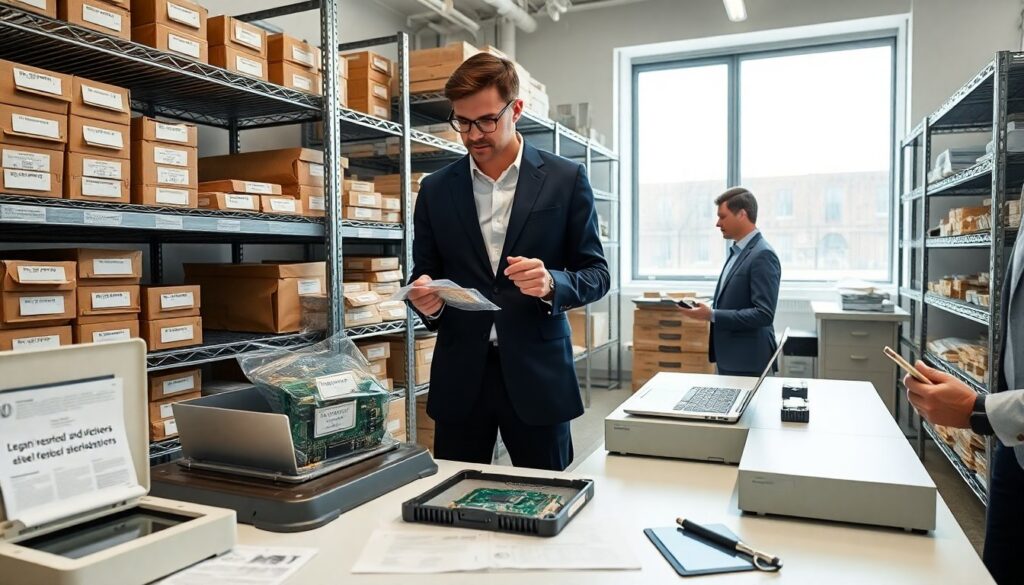
Preserve physical items by storing them in anti-static bags and acid-free boxes. Record acquisition date, donor, and condition on a label. Scan paper manuals at 300–600 DPI and save as PDF/A when possible. Create checksums for all digital files and store them in at least two locations. Use lossless formats for images and audio. Remove dust and loose corrosion carefully. Use a dry, stable environment for all storage. Contribute high-quality scans with clear filenames and metadata. Add model numbers, board numbers, and seller notes. Share provenance notes and acquisition context. Respect copyright and ask permission before sharing proprietary documents. Use conservative licensing when contributors request restrictions. Reuse archive materials in repair guides, hobby projects, and exhibits. Credit the archive and the contributor in all public uses. Share improved scans and corrected metadata back to the archive. Track reuse with a simple log that records the purpose, date, and citation. The consumer electronics electroother archives improve as more users preserve and share materials. The archives remain useful when users act with care and clear documentation.