

Water damage is one of the most expensive surprises a homeowner can face. In the US alone, more than 14,000 water emergencies happen every single day, and the average insurance claim tops $12,500. What changed in recent years is not the plumbing itself but the layer of smart hardware that now sits around it, watching quietly and acting fast when something goes wrong.
The foundation of any solid water protection setup starts with the physical infrastructure. A correctly installed shutoff valve, backflow assembly, or pressure regulator is what smart devices rely on to actually do their job. That is why services like backflow prevention mississauga exist as a baseline before any connected gadget enters the picture. Once that base is solid, the technology layered on top becomes genuinely powerful.
Two Types of Devices, Two Different Jobs
The market divides into two clear categories. Understanding which one you need first makes the purchase decision much easier.
Spot sensors are small, inexpensive units placed directly where leaks are most likely. Under the kitchen sink, behind the washing machine, near the water heater. Brands like Govee and Ring offer starter kits in the $30 to $80 range. They detect moisture on the floor and send a phone alert. Simple, effective, no installation required.
Whole-home flow monitors are installed on the main supply line near the shutoff valve. They track every drop of water that enters the house, measure pressure changes, and many can automatically close the supply line if something looks wrong. These start around $400 to $700 for the device, plus $200 to $500 for professional installation.
Here is a quick comparison of what each covers:
- Spot sensors catch active leaks at a specific location
- Flow monitors detect slow leaks anywhere in the system, including inside walls
- Pressure sensors flag issues like pipe corrosion or mineral buildup before a break occurs
- Combination units handle multiple functions from a single install point
The Devices Worth Knowing About
Flo by Moen runs a daily micro-leak test sensitive enough to catch a single drop per minute. The companion app is free and shows real-time water usage, line pressure, and temperature. When the family is on vacation and a pipe starts weeping somewhere behind the drywall, Flo can close the main valve remotely before the floor is soaked.
Phyn Plus 2nd Gen takes a different approach. It samples water pressure 240 times per second, building a detailed acoustic fingerprint of every fixture in the house. Researchers at the University of Washington developed the underlying technology, which means the device learns that a pressure spike at 7 a.m. is almost certainly the shower, not a burst pipe. That distinction cuts down on false alarms dramatically. Installed cost runs $850 to $1,000.
Droplet by Hydrific (a LIXIL product) is the no-cut option. Two ultrasonic sensors clamp onto the outside of the main pipe without any drilling. They scan flow up to 50 times per second and can detect movement as small as 0.026 gallons per minute. Installation takes about 20 minutes with no tools beyond a screwdriver.
Pressure Monitoring: The Underrated Layer
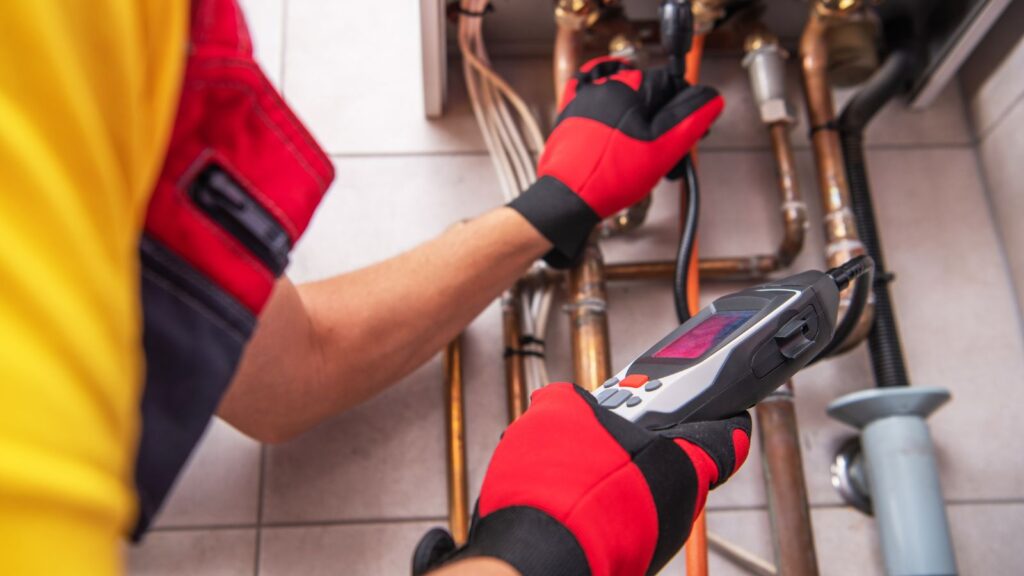
Most people think about leaks but ignore pressure. That is a mistake. High pressure above 80 PSI wears down fittings and joints over time. Low pressure can signal a partial blockage or a failing pump. Neither is obvious until something breaks.
Smart pressure monitoring adds a continuous log of daily pressure cycles. That data can reveal early signs of pipe corrosion or mineral scaling months before a visible problem develops. According to the Environmental Protection Agency’s WaterSense program, the average household leaks nearly 10,000 gallons per year, much of it from pressure-related wear on aging fittings.
Modern smart pressure regulating valves combine a pressure transducer with a microcontroller that holds the line between 40 and 80 PSI automatically. When readings drift outside that range, the app flags it. No guessing, no waiting for a plumber to confirm what the numbers already show.
Connectivity and Insurance
Different devices speak different wireless protocols. A few things to keep in mind before buying:
- Wi-Fi units (2.4 GHz) are the easiest to set up but depend on router uptime
- Z-Wave and Zigbee devices need a compatible hub but are more reliable in larger homes
- LoRa-based systems like YoLink cover large properties or multiple outbuildings from one hub
- HomeKit-native options like Eve Water Guard work without a cloud subscription
On the insurance side, several major carriers including State Farm and Liberty Mutual offer premium discounts of 5 to 15 percent for homes with automatic shutoff systems installed. The Insurance Information Institute reports that water damage and freezing together account for nearly 29 percent of all homeowner claims. That context explains why insurers are willing to reward the investment.
The combination of a well-maintained physical plumbing system and the right monitoring hardware is what keeps a routine drip from turning into a $15,000 restoration project.