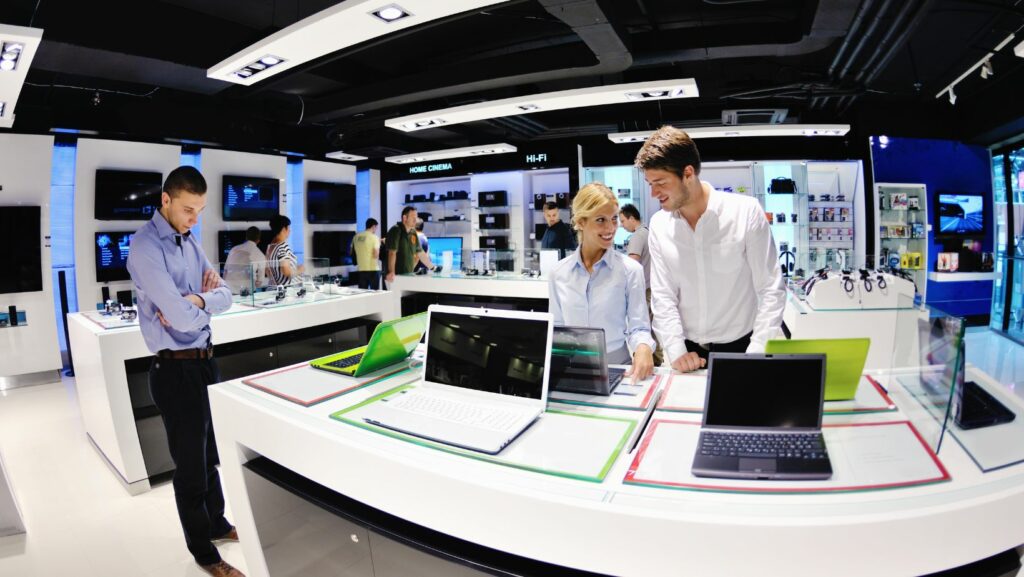
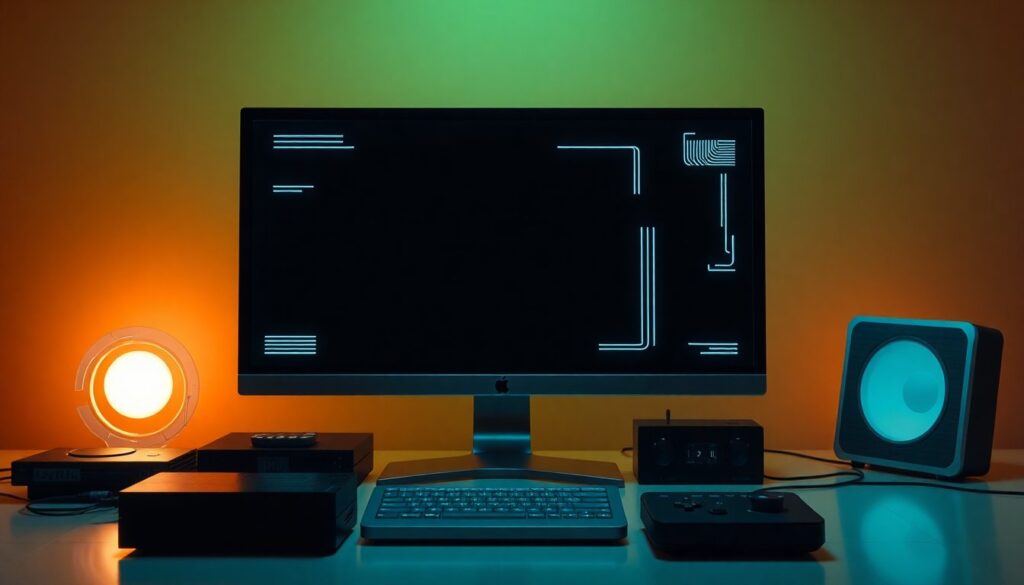
ElectroOther consumer electronics describes devices that sit outside mainstream brands and categories. Buyers should know where these products differ in features, build, and support. This guide explains what ElectroOther means, which product types appear, how to check safety and quality, what features matter, and when to fix or replace items.
Key Takeaways
- ElectroOther consumer electronics come from smaller brands and niche markets, offering unique features but varying warranties and support.
- Consumers should verify certifications like FCC, CE, or UL to ensure safety and quality of these non-mainstream devices.
- Prioritize products with clear update policies, warranty coverage, and documented software support to avoid common ElectroOther pitfalls.
- Common issues include firmware bugs and battery wear; minor repairs can be done at home, but major problems require professional service.
- Sustainability practices vary widely; buyers should plan for responsible recycling and follow local disposal regulations.
- Staying informed about emerging trends and regulatory changes helps buyers find reliable ElectroOther products and avoid costly mistakes.
What “ElectroOther” Means And Why It Matters For Consumers
ElectroOther consumer electronics refers to gadgets from smaller makers, niche lines, or cross-category hybrids. These products often mix functions, use alternative components, or target price-sensitive buyers. Consumers should treat ElectroOther devices as a separate purchasing group. They should expect varied warranties, limited retail support, and firmware differences. Buyers who understand ElectroOther benefits can find lower prices and unique features. Buyers who ignore those differences risk compatibility issues, poor updates, or weak customer service.
Key Product Categories And How They Differ From Mainstream Electronics
ElectroOther consumer electronics show up in several categories. Audio: small brands sell earbuds and DACs with unconventional tuning. Home: smart plugs, cameras, and displays may use nonstandard hubs. Wearables: fitness trackers and health monitors often use niche sensors or custom apps. Power: chargers and power banks may prioritize cost over heat control. Each ElectroOther product differs by component choice, software support, and certification level. Shoppers should compare specs, read user reports, and check for known interoperability issues.
How To Evaluate Quality, Safety, And Certification
Buyers should inspect labels and listings for certifications. Look for FCC, CE, UL, or local marks relevant to the buyer’s country. Check the charger or battery for compliance numbers and test reports. Read the spec sheet for materials and operating ranges. Scan user reviews for recurring failure patterns. Verify firmware update history and whether the maker posts security fixes. If the seller hides test data or refuses to supply certification details, buyers should treat the product as higher risk.
Buying Smart: Features To Prioritize And Red Flags To Avoid
Buyers should prioritize clear update policies, warranty terms, and return options. They should prefer ElectroOther consumer electronics with documented software support and a visible support channel. Check for replaceable batteries, well-marked ports, and standard connectors. Red flags include vague specs, absent certification marks, and promises of features without proof. Avoid devices that require proprietary hubs with no third-party bridge. If the seller pressures buyers to skip testing or denies refunds, buyers should walk away.
Common Problems, Quick Fixes, And When To Seek Professional Repair
ElectroOther consumer electronics often show up with firmware bugs, battery wear, or connector failures. Users can resolve firmware issues by checking the maker’s support page and applying official updates. For loose connectors, users should clean contacts and reseat cables. For swollen batteries, users should stop using the device and seek a battery replacement from a certified service. If the device has water damage, strange odors, or power shorts, users should stop use and contact a professional. Minor fixes save cost: major risks need trained repair.
Sustainability, Recycling, And Regulatory Considerations
Buyers should check whether ElectroOther consumer electronics follow take-back or recycling programs. Many small makers do not offer formal recycling. Consumers can use municipal e-waste options or retailer trade-in programs. Buyers should confirm battery chemistry and proper disposal methods. They should watch regulation changes that affect import rules and product recalls. If a device lacks compliance documentation, buyers should assume disposal responsibility and budget for end-of-life handling.
Where ElectroOther Is Headed: Emerging Trends And What To Watch
ElectroOther consumer electronics will likely increase in modular designs and niche sensors. Makers will add AI-driven features and low-cost connectivity options. Buyers should watch for better third-party firmware communities and official partnerships that extend support. They should also watch tightening import and safety rules that will force higher compliance. Buyers who track update records and seller transparency will find good deals. Buyers who chase the cheapest offer without checks will face higher service and replacement costs.