
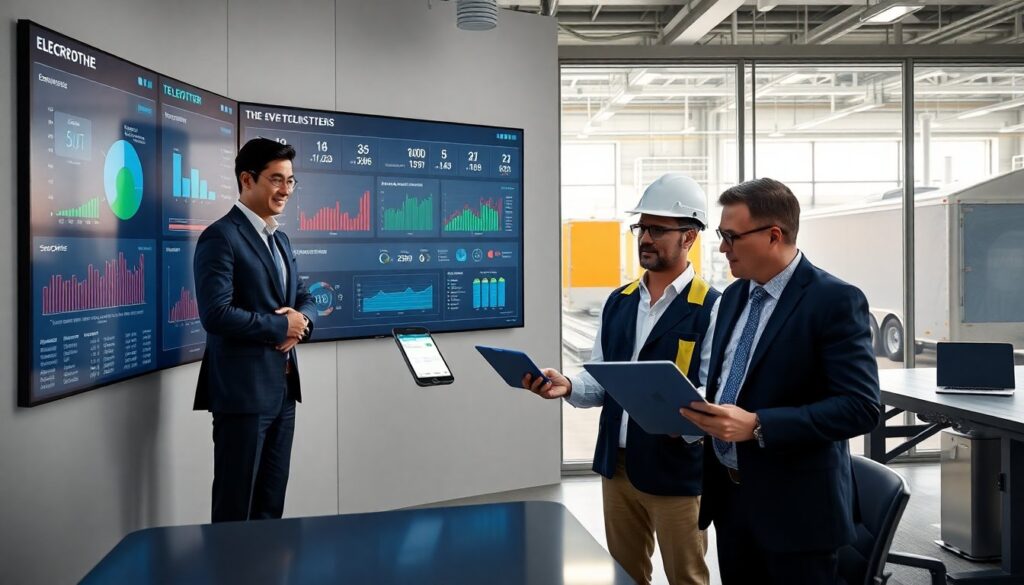
ElectroOther in the ever evolving world of business defines a set of electric and electronic technologies that change how firms operate. The article explains what ElectroOther means, shows concrete uses, and lists steps leaders can take. The text uses clear examples and direct advice. It aims to help leaders decide fast and act with confidence.
Key Takeaways
- ElectroOther merges electric and electronic innovations to reduce costs, improve uptime, and introduce advanced product features in business operations.
- Adopting ElectroOther starts with pilots that measure savings, test controls, and train teams to minimize risks and clarify goals.
- In manufacturing and supply chains, ElectroOther technologies optimize energy use, predict equipment failures, and enhance logistics with smart monitoring.
- ElectroOther enables new customer services like connected diagnostics, smart shelves, and subscription models, shifting firms toward recurring revenue.
- A structured ElectroOther implementation involves assessing assets, ensuring compliance, securing IT connections, and tracking total cost and revenue.
- Preparing for ElectroOther requires managing supply chain risks, enhancing cybersecurity, engaging regulators early, and developing multidisciplinary skills.
What ElectroOther Means And Why It Matters Today
ElectroOther describes a group of electrotech innovations that mix power systems, sensors, and smart control. Companies adopt ElectroOther to cut energy costs, speed processes, and add new product features. Managers see value when these technologies lower unit costs and raise uptime. Investors watch ElectroOther because it creates new service and hardware revenue. Regulators pay attention because safety and standards must match technology rollouts. Adoption often starts with pilots. Pilots let teams measure savings, test controls, and train staff before broad rollout. Teams that measure outcomes early reduce risk and set clear targets.
Core Business Applications And Immediate Use Cases
ElectroOther fits core operations, customer-facing systems, and new business models. The next two subheadings show specific examples and quick wins.
Manufacturing, Energy, And Supply Chain Examples
Factories install ElectroOther controls to optimize motor and heater cycles. The controls cut energy draw and lower peak demand charges. Sensors report equipment health and predict failures. Maintenance teams replace parts before breakdowns. Grid operators use ElectroOther batteries and converters to balance variable renewables. Traders use fast telemetry to reduce imbalance costs. Logistics firms fit trailers with smart power units. The units track temperature, power, and door activity. Fleet managers secure goods and reduce spoilage. These steps deliver measurable cost and service improvements within months.
Customer Experience, Marketing, And New Revenue Streams
ElectroOther enables new product features and services that customers value. Appliances gain connected diagnostics and remote updates. Retailers add smart shelves that report stock levels in real time. Marketers use that data to run timely promotions. Service teams sell uptime guarantees backed by remote monitoring. Firms package hardware plus subscription services to create steady revenue. Sales teams present clear ROI examples. Customers respond when the offer reduces hassle or cost. These moves shift companies from one-time sales to recurring income.
Operational Considerations And An Implementation Roadmap
Leaders should set clear goals and phased milestones for ElectroOther projects. First, they assess asset readiness and data quality. Teams map which machines or systems will give the fastest payback. Second, they run a short pilot with measurable KPIs. Third, they validate safety and compliance with local rules. Fourth, they scale by training operators and updating maintenance plans. IT must secure device connections and limit access. Procurement should favor open standards and clear SLAs. Finally, finance must track total cost of ownership and the new recurring revenue. A simple roadmap reduces delays and aligns teams.
Future Trends, Risks, And How To Prepare Your Organization
ElectroOther will spread into more product lines and more infrastructure. Firms should plan for tighter integration between power hardware and cloud analytics. The main risks include supply chain shortfalls, weak cybersecurity, and unclear regulation. Teams can reduce risk by diversifying suppliers, hardening device access, and engaging regulators early. Leaders should build a skills plan that mixes electricians, software engineers, and data analysts. They should update contracts to reflect remote monitoring and software updates. They should run tabletop exercises for incidents and breaches. These actions help firms adopt ElectroOther faster and with fewer surprises. ElectroOther in the ever evolving world of business will reward teams that act with clear plans, measured pilots, and durable skills.