

It’s common for children and teenagers to experience aches as they grow, especially in the legs. These discomforts, widely known as growing pains, are usually harmless and disappear on their own. But sometimes, pain can be a sign of something more serious.
Because bone cancer is rare and its early symptoms can resemble everyday soreness or minor injuries, it can easily go unnoticed. Parents and caregivers often struggle to decide when to wait and when to take pain seriously.
The goal isn’t to create fear, it’s to provide clear, calm guidance. By understanding how typical growing pains differ from symptoms that may require medical attention, families can act confidently and protect their child’s health.
What Exactly Are Growing Pains?
Growing pains are very common in childhood especially between ages 3–5 and 8–12. Despite the name, they aren’t actually caused by growth spurts. Instead, doctors believe they stem from muscle fatigue, increased physical activity, or even stress.
Typical growing pain characteristics include:
- Occurs in the evening or at night (often waking a child from sleep)
- Affects both legs, especially thighs, shins, or behind the knees
- Comes and goes, not constant throughout the day
- Improves with stretching, massage, or rest
- Does not limit movement kids usually run and play normally the next day
Growing pains do not cause visible swelling, persistent limping, or pain isolated to one specific spot of bone.
So when symptoms don’t fit this pattern, it may be time to look deeper.
When Pain Signals Something More Serious
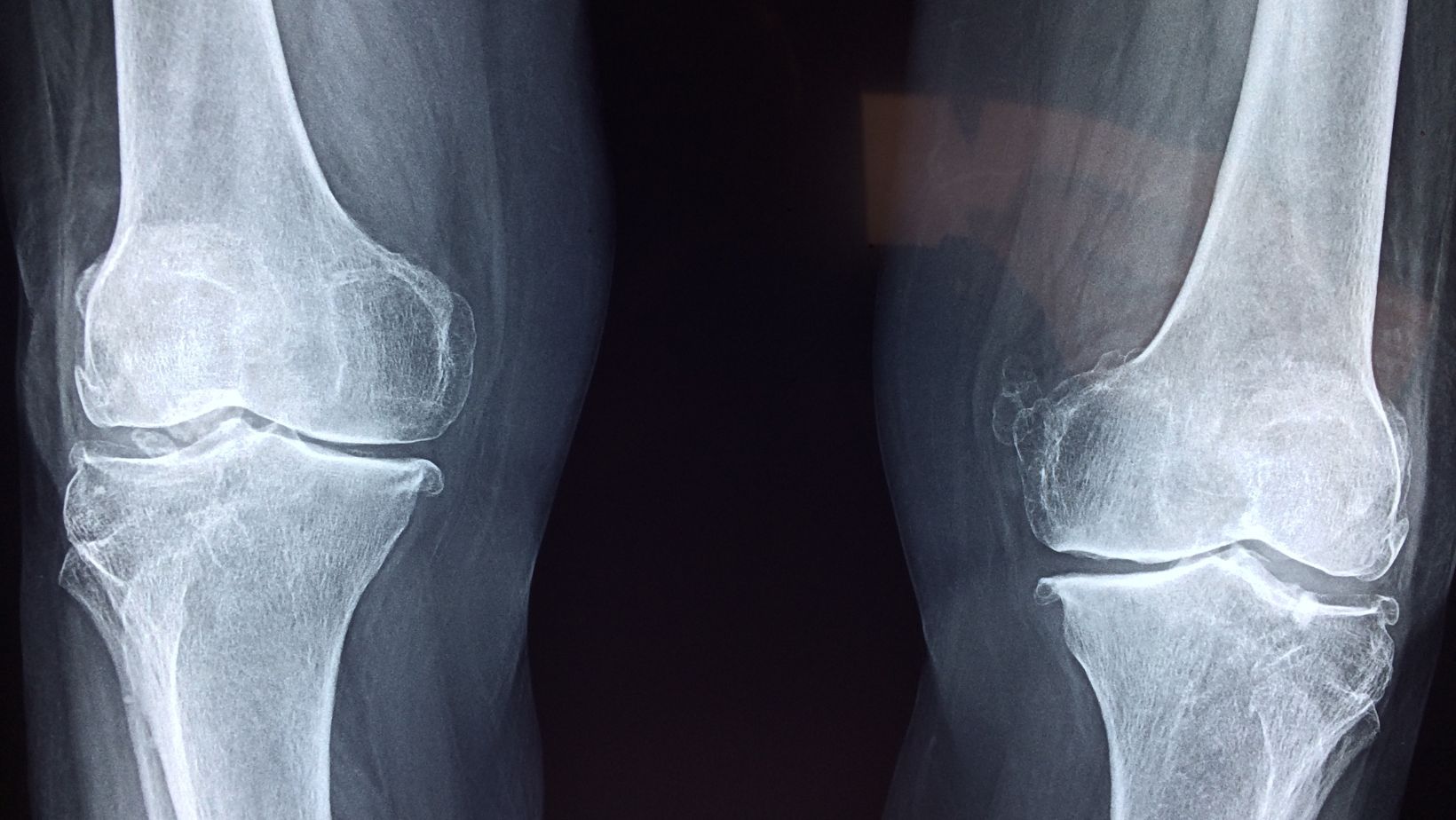
Bone cancer is rare but early symptoms can appear subtle. Unlike growing pains, cancer-related pain tends to worsen over time rather than disappear. It may begin as mild discomfort and gradually become more constant and disruptive.
Here are key differences to watch for:
- Persistent, localized pain that doesn’t move around
- Pain that gets worse with activity and continues during the day
- Night pain that does not improve with gentle massage or rest
- Swelling, a lump, or warmth around the painful area
- Unexplained limping or difficulty using a limb
- Frequent fractures from minor bumps or falls
- Unusual fatigue, weight loss, or fever
If a child is suddenly avoiding activities they once enjoyed, struggling to walk normally, or repeatedly pointing to the same painful spot, it’s important to take note.
These signs don’t automatically mean bone cancer but they indicate that a medical evaluation is needed to rule out serious conditions early.
What Are the 7 Warning Signs of Bone Cancer?
Because bone cancer can initially resemble harmless aches, knowing the major red flags helps families take action sooner. Experts commonly point to seven core warning signs that may indicate something more serious is happening inside the bone:
- Persistent bone pain that worsens over time
- Swelling or a lump over a bone
- Increased pain at night or when resting
- Reduced mobility or difficulty using the affected limb
- Bones breaking more easily than expected
- Fatigue, fever, or unintended weight loss
- Limping or noticeable posture changes (especially in children)
Learning what are the 7 warning signs of bone cancer can be empowering for parents and adults alike especially when symptoms don’t align with typical growing pains. In cases where bone cancer is suspected, healthcare providers may request imaging or additional evaluation to ensure an accurate diagnosis and timely care.
When to See a Doctor (and What to Expect)
Not every ache or period of soreness requires medical attention but certain patterns should not be ignored. You should consider seeing a doctor if:
- Pain lasts more than 2–3 weeks
- Symptoms worsen instead of improving
- Pain disrupts sleep or daily activities
- Swelling or a noticeable lump develops
- There is persistent limping or movement limitations
- Over-the-counter pain relievers do not help
A doctor will typically begin with a physical exam and may order X-rays to rule out common causes like injury or inflammation. If something unusual appears, further testing such as MRI, CT scans, or blood work may be recommended.
Early evaluation doesn’t just lead to answers, it provides peace of mind. If a condition like bone cancer is suspected, referral to a specialist ensures the right care pathway begins immediately.
Trusting Your Instincts as a Parent or Patient
Growing pains are a normal part of development but intuition matters. If something doesn’t feel right, or if pain changes in a way that concerns you, it’s always better to investigate early. Most of the time, symptoms turn out to be harmless. But in the rare case that they signal something more serious, early recognition can make a life-changing difference.
Monitoring symptoms, asking questions, and seeking medical guidance when needed are powerful ways to protect health. Whether it’s your child, a loved one, or yourself, paying attention to persistent signs provides clarity and reassurance and ensures that no important warning goes unnoticed.
Understanding the difference between common aches and more concerning symptoms helps families feel empowered, informed, and confident in taking the right steps forward.