ElectroOther technology archives hold technical papers, schematics, and datasets on electroother devices and systems. The archives help researchers trace designs and reproduce results. This guide states what the archives contain and how staff and users access, search, and preserve materials.
Key Takeaways
- ElectroOther technology archives provide essential technical papers, schematics, and datasets that support research replication and innovation.
- Archives are organized with taxonomies and metadata like titles, creators, and dates to enable precise search and indexing.
- Researchers can efficiently locate relevant ElectroOther technology materials using advanced search strategies including boolean operators and filtering by metadata.
- Access to ElectroOther technology archives varies from open public repositories to paywalled institutional collections, with increasing emphasis on open access.
- Users must verify file integrity, follow license terms, and properly cite archive materials to ensure responsible reuse of ElectroOther technology resources.
- Emerging trends like AI indexing and FAIR data principles enhance the findability and quality of ElectroOther technology archives while promoting community-led curation.
What ElectroOther Technology Archives Contain And Why They Matter
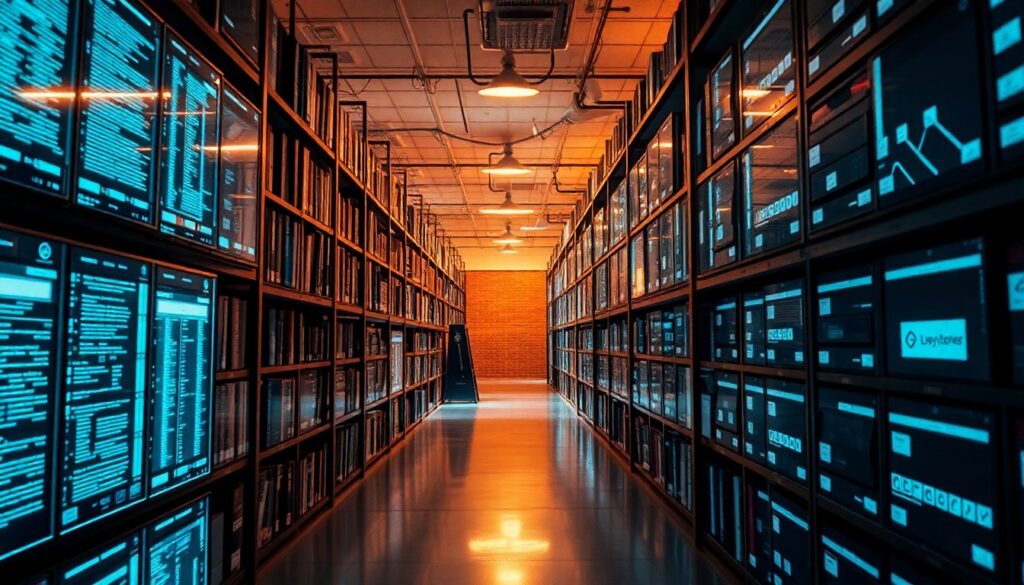
ElectroOther technology archives store reports, patents, circuit schematics, test logs, firmware images, and raw datasets. Libraries hold printed conference papers and scanned lab notebooks. Repositories host machine-readable datasets and versioned code. The archives matter because they provide provenance for design choices and permit replication of experiments. They reduce duplicate work and speed innovation. Funders and regulators use the archives to check claims. Historians use them to trace device evolution. Students use the archives to learn engineering practice and gain practical context.
How Archives Are Organized: Taxonomy, Metadata, And File Types
Archives use simple taxonomies such as device family, component type, and application area. Each item gets metadata fields: title, creator, date, format, checksum, and license. Metadata helps automated harvesters index electroother technology archives and return precise results. Common file types include PDF for papers, PNG/SVG for schematics, CSV for measurements, and ZIP for firmware packages. Repositories store checksums and MIME types. Staff apply controlled vocabularies for keywords. They also tag items with project identifiers and grant numbers to link related materials.
Search Strategies For Finding Relevant Papers, Schematics, And Datasets
Researchers query repository fields with narrow terms and filters. They search title and abstract first, then narrow by date, author, or device family. They use boolean operators and phrase search for exact matches. When results are sparse, they broaden terms or try related component names. They scan metadata fields like checksum and format to find usable files. They look for dataset DOIs and code repositories linked in the metadata. They save query strings and export result sets for review. They record source details to cite items later.
Access Options: Public Repositories, Institutional Collections, And Paywalled Resources
Public repositories host open items and allow direct downloads. Institutional collections may require affiliation or guest access. Paywalled resources limit access with subscriptions or single-use fees. Many electroother technology archives mix item types: public datasets and paywalled papers in the same catalog. Libraries negotiate campus-wide access to reduce paywalls. Researchers request scans or file transfers through interlibrary services when they lack direct access. Open access mandates and funder requirements increase public deposits. Project teams increasingly deposit at public repositories to ensure broad reuse.
Downloading, Reusing, And Citing Archive Materials
Users download files after checking license terms and file integrity. They verify checksums and confirm file formats before reuse. They follow license rules for redistribution and attribution. For datasets, they record sampling methods and units. For schematics, they note component revisions. When publishing, they cite the archive item with persistent identifiers such as DOIs. They include version numbers and access dates. They store copies in managed lab spaces and document provenance in lab logs. They respect embargoes and legal restrictions when present.
Preservation Practices And Long-Term Storage Challenges
Archivists migrate files to current formats to avoid bit rot. They store multiple copies in geographically separated sites. They record checksums and run integrity checks on schedules. They maintain hardware images for legacy firmware in emulated environments. They manage storage costs by tiering hot and cold data. They document dependencies such as software libraries and hardware revisions. They plan for staff turnover with clear workflows and checklists. Long-term challenges include obsolete media, legal restrictions on encryption, and the need to preserve linked datasets across repositories.
Emerging Trends: AI Indexing, FAIR Data, And Community-Led Curation
AI indexing now extracts structured fields from scanned schematics and handwritten notes. FAIR data principles guide repositories to make items findable, accessible, interoperable, and reusable. Community-led curation helps validate dataset quality and tag items with practical notes. Automated pipelines ingest new electroother technology archives content and assign metadata at scale. Standards bodies publish schemas for component-level descriptions and test-report formats. Contributor platforms enable users to suggest corrections and link related projects. These trends speed access and improve the quality of searchable content in archives.