
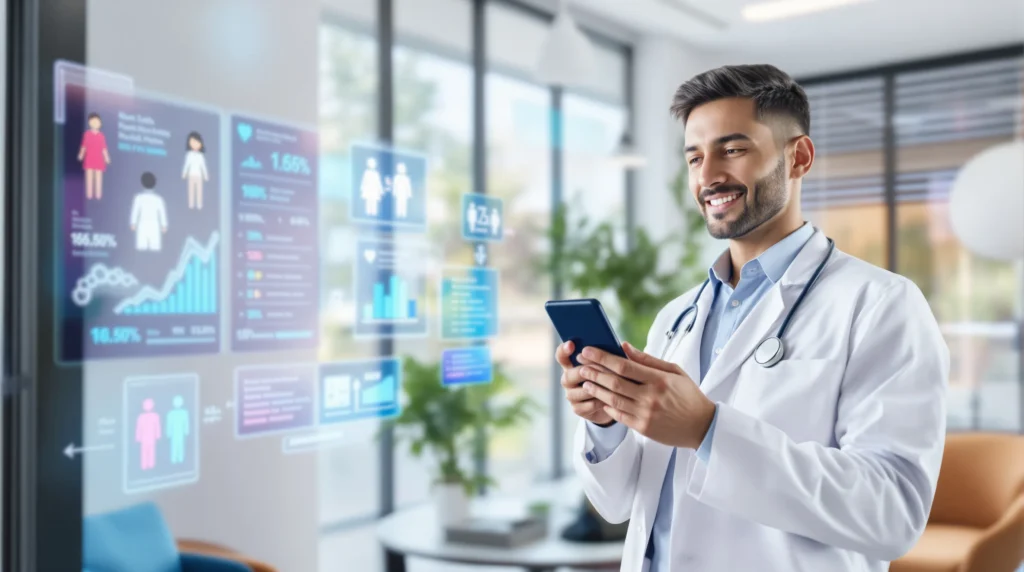
Picture this: a nurse in a crowded ER, phone in hand, snaps a photo of a patient’s wound. Within seconds, a specialist across town reviews the image and sends back advice. That’s not science fiction—it’s mobile technology in healthcare, and it’s changing how care happens every single day.
Why Mobile Technology in Healthcare Matters Right Now
If you’ve ever waited hours for test results or juggled a dozen appointment reminders, you know the old way of doing things can feel slow and frustrating. Mobile technology in healthcare flips that script. It puts information, support, and even care itself right in your pocket. The stakes? Faster diagnoses, fewer mistakes, and a shot at better health for millions.
How Mobile Technology in Healthcare Works
Let’s break it down. Mobile technology in healthcare covers everything from simple text reminders to complex apps that track your heart rate. Here’s what’s happening behind the scenes:
- Remote Monitoring: Devices like smartwatches and glucose monitors send real-time data to doctors. No more guessing if your blood sugar spiked last night—your care team already knows.
- Telemedicine: Video calls with doctors mean you can get expert advice from your couch. During the pandemic, telemedicine visits jumped by over 150% in the US alone.
- Mobile Health Apps: From tracking medication to logging symptoms, apps help patients stay on top of their health. Some even use AI to flag warning signs before you notice them.
- Instant Communication: Secure messaging lets doctors, nurses, and patients share updates fast. No more waiting for a callback or playing phone tag.
Here’s the part nobody tells you: sometimes, the tech feels clunky. Apps crash. Devices lose signal. But when it works, it’s like magic—care gets faster, and patients feel seen.
Real Stories: Mobile Technology in Healthcare on the Front Lines
Let’s get specific. In rural India, community health workers use mobile phones to track pregnancies and send alerts if a mother misses a checkup. In New York, a hospital cut medication errors by 40% after switching to barcode scanning on mobile devices. These aren’t just numbers—they’re lives changed, and sometimes, lives saved.
I’ll admit, I once doubted if mobile technology in healthcare could really help older patients. My grandmother, who’s 82, now uses a blood pressure app every morning. She texts her readings to her doctor, who adjusts her meds without a single office visit. She feels more in control, and I worry less.
Who Benefits—and Who Doesn’t?
Mobile technology in healthcare isn’t for everyone. If you love paper charts or don’t trust apps, you might feel left out. But for busy parents, people in remote areas, or anyone managing a chronic illness, it’s a lifeline. Here’s why:
- Patients: Get reminders, track symptoms, and connect with care teams anytime.
- Doctors and Nurses: Access records, send prescriptions, and consult with colleagues on the go.
- Caregivers: Monitor loved ones’ health and get alerts if something’s off.
But there’s a catch. Not everyone has a smartphone or reliable internet. Some apps aren’t accessible for people with disabilities. If you’ve ever tried to help a parent download an app, you know the struggle is real.
What’s Working—and What Needs Work
Let’s be honest: mobile technology in healthcare isn’t perfect. Security is a big worry. In 2023, over 50 million health records were exposed in data breaches. That’s scary. App fatigue is real, too—how many health apps do you actually use after the first week?
But there’s progress. More apps now use fingerprint or face ID for security. Hospitals are training staff to spot phishing scams. And some companies are building apps with bigger buttons and voice commands for people who struggle with tiny screens.
Actionable Tips: Making Mobile Technology in Healthcare Work for You
If you want to get the most from mobile technology in healthcare, start small. Here’s what works:
- Pick one app that solves a real problem—like medication reminders or appointment scheduling.
- Check if your doctor’s office offers secure messaging or telemedicine visits.
- Set up strong passwords and use two-factor authentication when possible.
- Ask for help if you get stuck. Most clinics have tech support or patient educators.
- Review app permissions. Only share what’s needed for your care.
Here’s a secret: even tech pros get confused by new apps. Don’t feel bad if you need to ask questions or try a few options before you find what fits.
What’s Next for Mobile Technology in Healthcare?
Mobile technology in healthcare keeps moving fast. AI-powered apps now spot early signs of depression by analyzing your texts (with your permission, of course). Smart inhalers track asthma attacks and send alerts to your doctor. In Africa, drones deliver medicine to remote villages, guided by mobile orders.
But the real future? It’s not just about gadgets. It’s about making care more personal, more human, and more connected. If you’ve ever felt lost in the system, mobile technology in healthcare offers a way to feel seen and heard.
Final Thoughts: Is Mobile Technology in Healthcare Right for You?
If you want faster answers, more control, and a closer connection to your care team, mobile technology in healthcare is worth a try. If you’re worried about privacy or just love the feel of a paper calendar, that’s okay too. The best tech is the kind that fits your life, not the other way around.
Here’s the truth: mobile technology in healthcare isn’t magic, but it’s making care better, one text, call, and app at a time. And that’s something worth paying attention to—whether you’re a patient, a provider, or just someone who wants to stay healthy in a busy world.