ElectroThar links transformers lithium blockchain iot elctrothar into a single edge-power solution. The platform pairs smart transformers with lithium batteries. It uses blockchain to record transactions. It uses IoT to monitor assets. The system reduces outages and cuts energy waste. The design focuses on clear data, fast responses, and simple control.
Key Takeaways
- ElectroThar integrates transformers, lithium batteries, blockchain, and IoT into a cohesive edge-power solution to enhance energy management.
- The smart transformer and lithium battery combination reduces outages, optimizes energy use, and supports local power resilience.
- Blockchain technology records all energy transactions transparently, enabling automated settlements and creating new revenue streams.
- IoT sensors continuously monitor system health and performance, allowing early fault detection and efficient maintenance.
- The system’s design prioritizes safety, interoperability, and seamless integration with existing infrastructure for reliable operation.
- Real-world deployments in microgrids, commercial sites, and emergency services demonstrate ElectroThar’s effectiveness in reducing peak demand and ensuring power continuity.
How ElectroThar Brings Transformers, Lithium Batteries, Blockchain, And IoT Together
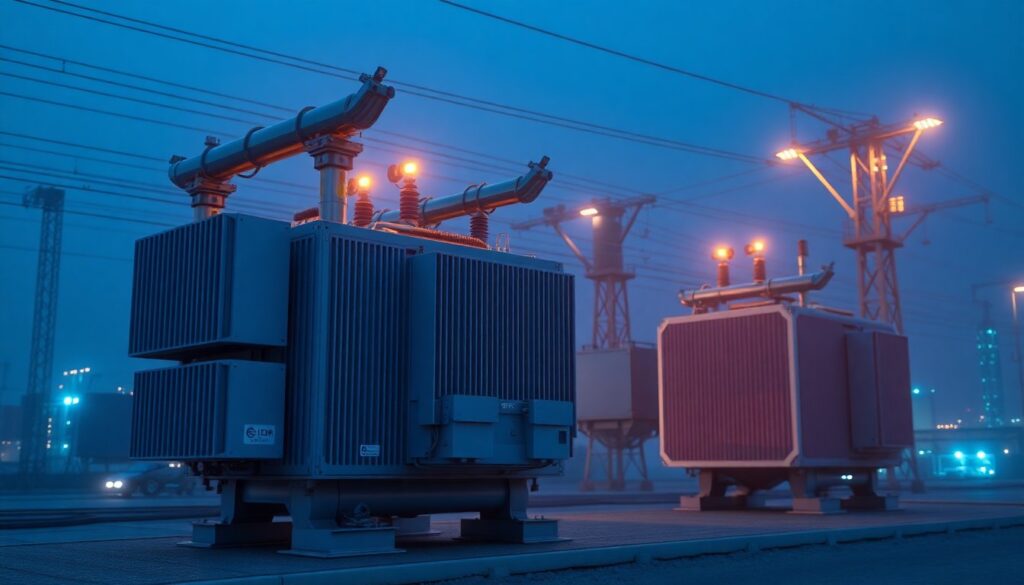
ElectroThar connects transformers lithium blockchain iot elctrothar as a coordinated stack. The smart transformer senses load and reports metrics. The lithium battery stores surplus energy and supplies short-term demand. The IoT layer collects telemetry and sends it to controllers. The blockchain ledger records energy exchanges and device identities. The ledger enforces rules and timestamps events. The architecture splits local control from cloud services. Local controllers act fast on faults. Cloud services handle analytics and settlement. Operators audit the ledger to verify payments and service events. Integrators install secure gateways at each node. They attach sensors to transformer’s windings and battery cells. They configure smart contracts on the ledger to automate payments and trigger charge or discharge cycles. This setup lets utilities and microgrid owners coordinate assets without central trust. It also lets third parties offer ancillary services and get paid via the ledger. The system reduces the need for manual reconciliation.
Key Benefits: Resilience, Efficiency, And New Revenue Streams
ElectroThar yields resilience by isolating faults and keeping loads online. The smart transformer switches and reroutes power quickly. The lithium battery supplies seconds-to-hours of backup power. The IoT sensors detect thermal and vibration anomalies early. Operators act on alerts before failures escalate. ElectroThar boosts efficiency by flattening peak demand. The battery charges during low-price periods and discharges at peak. The ledger records each dispatch and credits owners. This record creates new revenue streams. Owners sell capacity, frequency response, and demand response services. The blockchain ensures transparent settlements. Third parties bid to provide services in real time. The system also reduces energy losses by optimizing voltage and reactive power at the transformer. Maintenance costs fall because smart diagnostics guide repairs. Regulators and auditors inspect the immutable ledger for compliance. Consumers see fewer outages and clearer billing.
Design And Integration Considerations For ElectroThar Systems
Designers evaluate safety, interoperability, and cost first. They pick transformer controls that support remote switching and voltage regulation. They choose lithium chemistries that match cycle life and temperature limits. They select IoT modules that support secure boot and encrypted telemetry. They adopt a blockchain platform that offers predictable transaction costs and finality. They define data ownership and access rules. They design fallback modes if the ledger is unreachable. They size batteries for expected duration and state-of-charge strategies. They test firmware update paths and rollbacks. They plan physical protection for transformers and batteries. Installers follow electrical codes and battery handling standards. They also integrate with existing SCADA and energy management systems. They run pilot programs to validate behavior under real loads.
Energy Management Protocols And Data Flows (Hardware To Ledger)
Controllers gather sensor data and package it into signed records. Devices send records to edge gateways. Gateways validate signatures and push summaries to the blockchain. Smart contracts parse records to trigger payments or commands. Billing agents read ledger events and issue invoices. Operators use dashboards that pull both raw telemetry and ledger states. The system timestamps events at the gateway to avoid clock drift. It uses MQTT for telemetry and REST or RPC for ledger interactions. It batches noncritical telemetry to reduce transaction costs. It pushes critical alarms immediately. The ledger stores hashes of detailed records to keep on-chain costs low. Full records stay in distributed object stores and link to ledger hashes. This pattern preserves proof while keeping operations affordable.
Practical Deployment Roadmap And Real-World Use Cases
Project teams start with a site survey and load study. They install a pilot with one transformer, one lithium battery, and IoT sensors. They run the pilot for seasonal cycles to capture demand patterns. They tune energy management policies and test smart contracts under load. They measure outage reduction, peak shaving, and settlement accuracy. Successful pilots scale to multiple nodes and form local grids. Real-world use cases include rural microgrids that lack reliable central power. ElectroThar lets communities host resilient local power and sell grid services. Commercial sites use the stack to reduce demand charges and monetize unused capacity. Utilities deploy units near substations to reduce load on feeders and delay upgrades. Industrial parks deploy units to guarantee uptime for critical processes. Emergency services use mobile ElectroThar units to restore power quickly after storms. Each use case benefits from transparent billing, fast fault isolation, and local storage that lowers peak draw on the main grid. Deployment teams document lessons and refine hardware choices before wide rollout.